Egon Eiermann was born in Neuendorf/Berlin in 1904. From 1923 to 1927 he studied architecture under Hans Poelzig at the Technische Hochschule in Berlin-Charlottenburg.
After the degree Eiermann worked as an architect at the Karstadt AG building office in Hamburg and, a year later, at BEWAG (Berliner Elektrizitätswerke AG) in Berlin. From 1931 to 1945 Egon Eiermann worked as an independant architect in Berlin. After the war he moved his practice to Mosbach im Odenwald, had a joint practice with the architect Robert Hilgers from 1946 to 1965, and then moved the practice to Karlsruhe.
In 1947 Egon Eiermann became a professor of architecture at the Technische Hochschule in Karlsruhe.
Egon Eiermann is one of the greatest architects in Germany since the postwar period.
His most important buildings include the new church on the site of the Kaiser Wilhelm Memorial Church in Berlin (1959-1963) and the high rise for members of the German Parliament in Bonn (1965-69). Between 1962 and 1964 the German Embassy in Washington was built after plans by Egon Eiermann. Jointly with Sep Ruf, Eiermann designed the German contribution to the 1958 Brussels Exposition: eight steel and glass pavilions. Furthermore he designed the IBM headquarters in Stuttgart and the German Olivetti administrative building in Frankfurt am Main (both 1972).
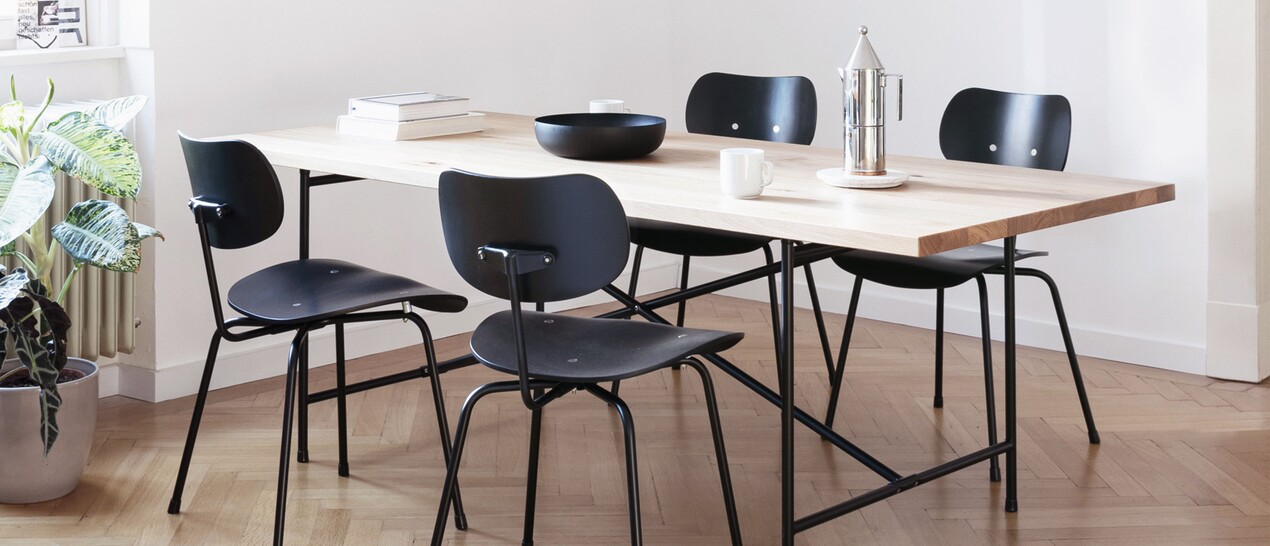
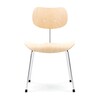
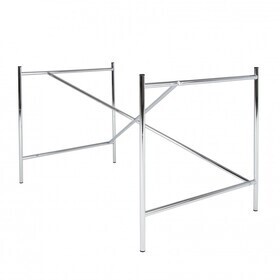
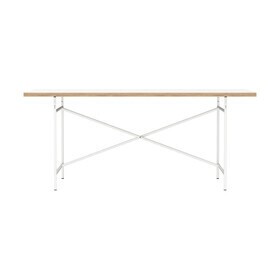
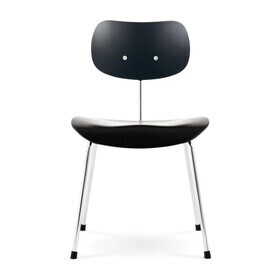
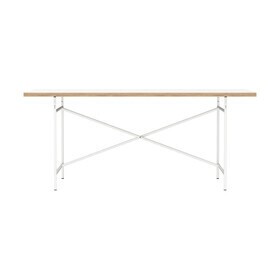
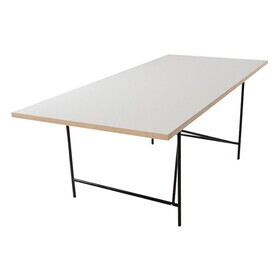
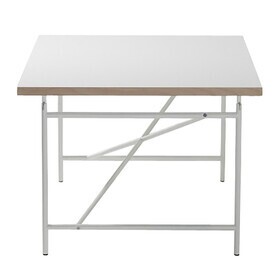
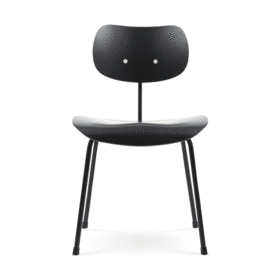
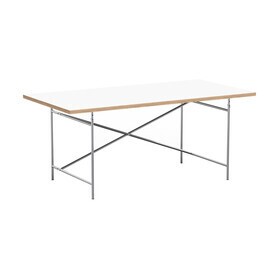
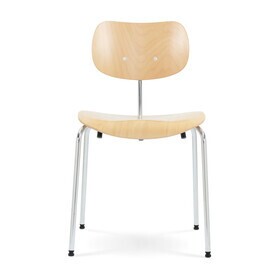
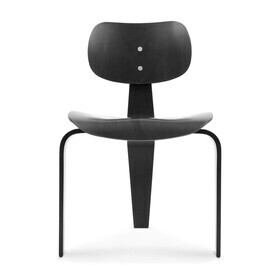
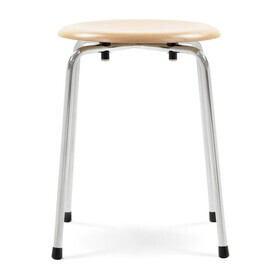
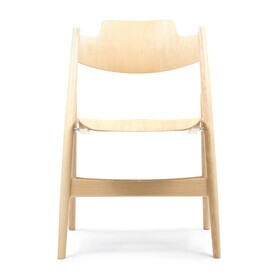
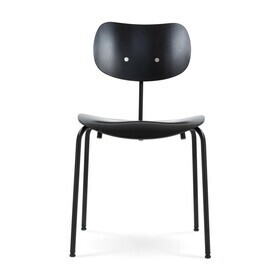
Egon Eiermann also designed furniture and interiors for some of his buildings. Eiermann's most successful furniture design was the "E 10" basket chair (1954), whose prototype was designed back in 1948 for "Wie wohnen", an exhibition in Karlsruhe. Equally popular was the "SE 18" folding chair Egon Eiermann designed for Wilde & Spieth in Esslingen, which received a mention of the Museum of Modern Art, New York, and won the silver medal at the Milan Triennale in 1954.